English
  Español
  русский
  عربى
عربى 
Functional Shorts Fit New Activewear Needs
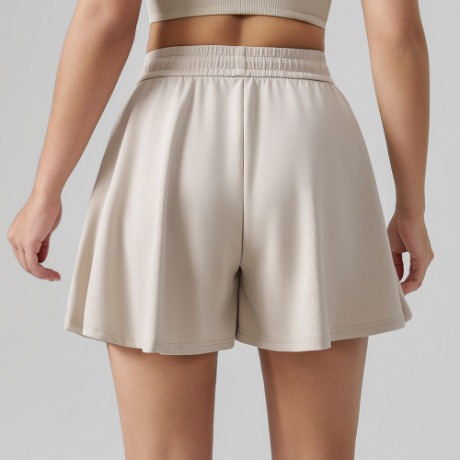
Women’S Shorts With Pocket are becoming a practical category within the expanding activewear and athleisure market. For brands, retailers, and apparel distributors, the product is no longer defined simply by length or appearance. Buyers are paying closer attention to pocket construction, fabric behavior, waistband stability, movement comfort, and whether one style can work across workouts and everyday settings. As activewear continues to appear in casual wardrobes, manufacturers are also seeing stronger interest in shorts that combine functional details with clean, commercially adaptable styling.
Pocket Design Becomes a Product Detail
A pocket may appear simple, but its construction can influence the overall usability of women’s shorts. Running, walking, gym training, travel, and outdoor activities often require users to carry a phone, keys, cards, or other small essentials.
For manufacturers, the focus should therefore move beyond simply adding a pocket. Placement, opening size, depth, stitching, and fabric recovery all need to work together. Side pockets can provide convenient access, while concealed waistband pockets can offer a more discreet solution for smaller items. Different retail markets may also require different pocket configurations depending on the intended application.
Fabric Selection Affects Daily Performance
Fabric selection remains closely connected to comfort and product positioning. Women’s athletic shorts commonly require a balance between stretch, breathability, softness, shape retention, and resistance to repeated movement.
For different product lines, manufacturers may consider:
- Stretch fabrics for training and gym-focused styles
- Lightweight constructions for running and warm-weather use
- Softer hand-feel fabrics for athleisure collections
- Quick-drying materials for active outdoor applications
The right material should support the intended use rather than simply follow a fashion trend. Fabric weight, recovery, and finishing also need to be evaluated together during sample development.
Waistband Stability Supports Movement
A poorly designed waistband can affect the experience of an otherwise well-made pair of shorts. During running, squatting, cycling, or stretching, repeated movement can place additional demands on the waistband.
For B2B production, manufacturers can evaluate waistband width, elastic recovery, rise height, stitching, and seam placement during development. High-waisted women’s workout shorts may suit customers looking for additional coverage, while mid-rise designs can support a more relaxed everyday silhouette.
Consistent waistband construction is also important when producing multiple sizes, as grading can influence how the garment fits across different body proportions.
Fit Needs Application-Based Development
There is no single fit suitable for every category. Running shorts, gym shorts, yoga shorts, tennis shorts, and casual athleisure styles can require different proportions and construction details.
A practical development process should consider the movement pattern of the target customer. Running-oriented designs may benefit from lighter construction and reduced restriction, while training shorts may require greater coverage and secure movement. Casual styles can place more emphasis on silhouette, pocket usability, and easy coordination with tops and outerwear.
This application-based approach helps brands develop product ranges with clearer positioning instead of relying on one generic shorts pattern.
From Workout Wear to Everyday Style
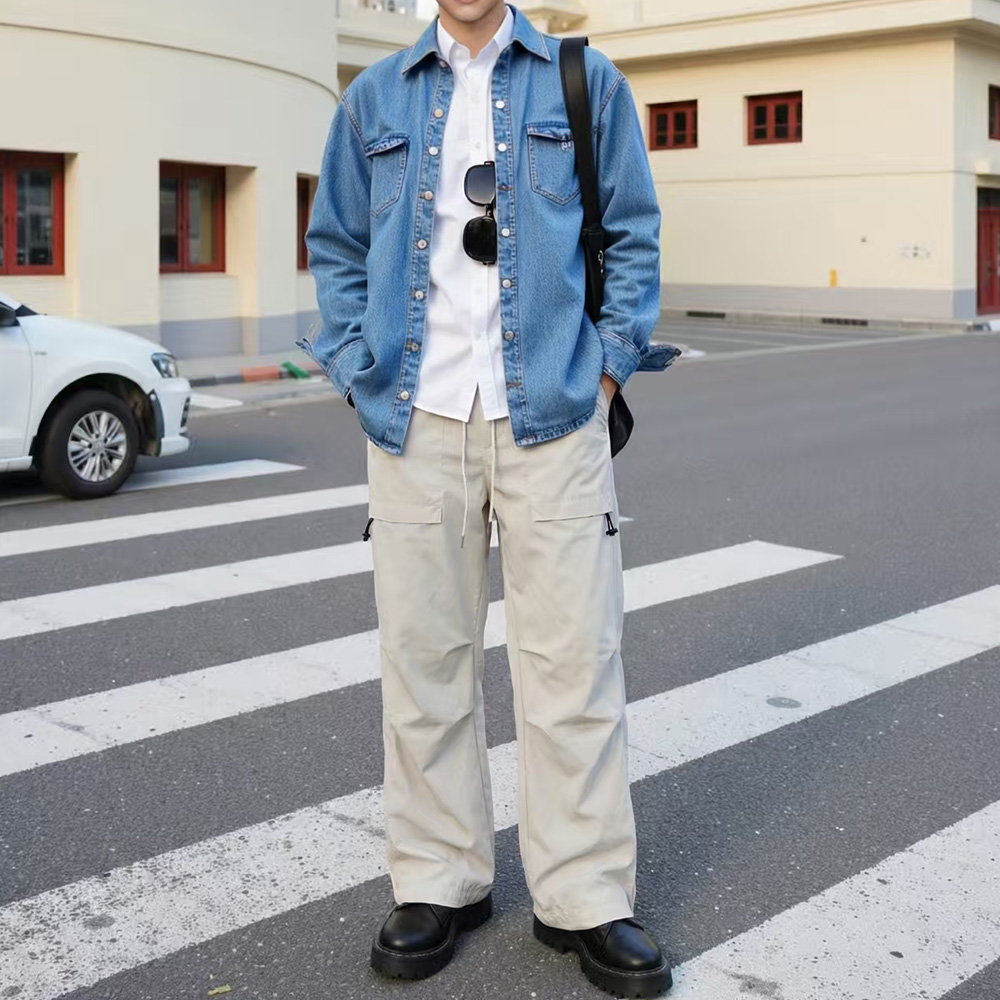
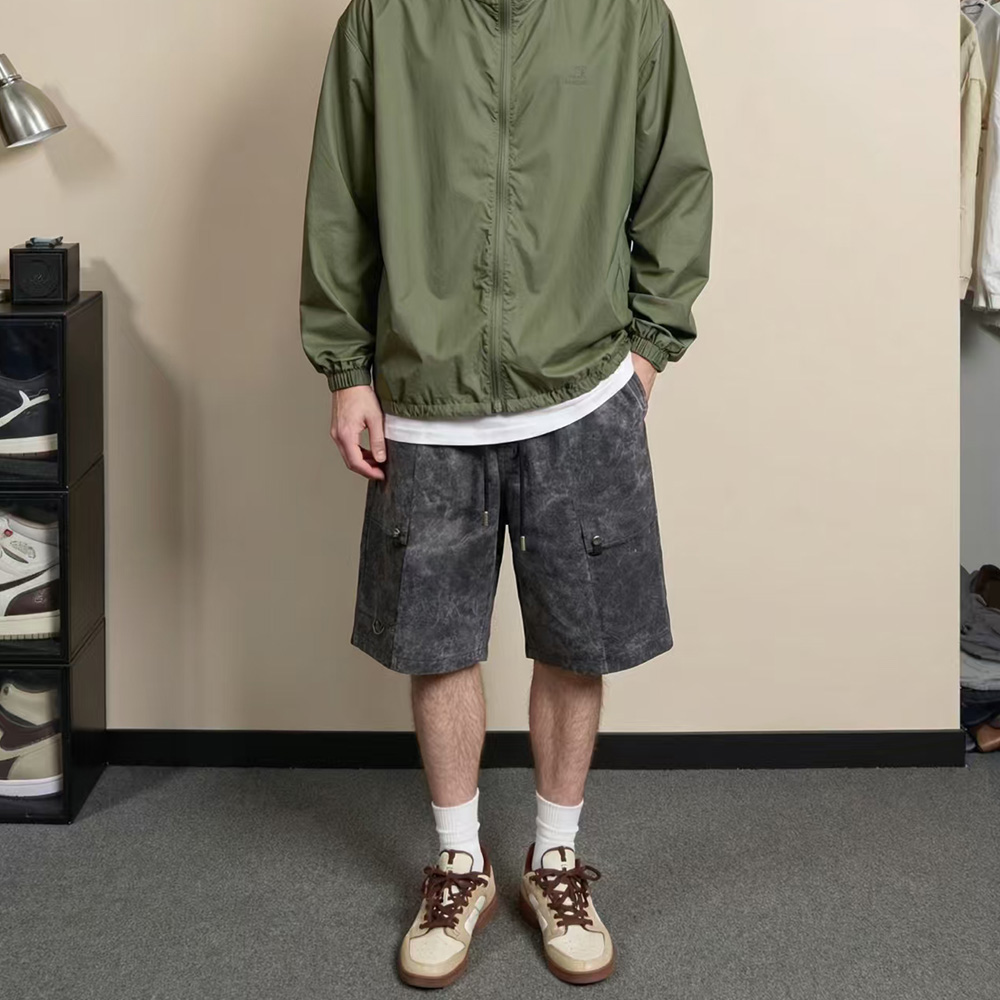
Current fashion coverage continues to show activewear moving beyond dedicated exercise environments. Shorts are increasingly styled with oversized shirts, casual tops, sneakers, lightweight jackets, and other everyday pieces.
This shift creates opportunities for manufacturers developing versatile women’s shorts. A clean silhouette, practical pocket placement, neutral color options, and comfortable fabric can make the same basic construction suitable for fitness collections and casualwear programs. For overseas brands, this versatility can simplify collection planning while allowing different visual treatments through colors, trims, labels, and prints.
Manufacturing Details Shape Product Reliability
From a manufacturing perspective, small construction details often determine whether a shorts design performs consistently in production. Pocket seams need appropriate reinforcement, elastic components require stable recovery, and fabric behavior should be checked after washing and repeated wear.
Manufacturers should also evaluate:
- Seam strength around pocket openings
- Waistband attachment and recovery
- Fabric stretch in key movement areas
- Stitch consistency across production runs
- Size grading between different specifications
These checks help reduce avoidable fit and durability issues before large-scale production begins.
Building More Practical Shorts Collections
The growing interest in functional activewear gives brands room to develop women’s shorts around real usage rather than appearance alone. A well-planned Women’S Shorts With Pocket program can combine practical storage, comfortable materials, application-specific fits, and adaptable styling. For manufacturers, understanding these requirements at the pattern, fabric, and production stages creates a stronger foundation for supplying retailers and apparel brands seeking functional, commercially flexible Women’S Shorts With Pocket.


You are also welcome to make an appointment to visit our production facilities and manufacturing processes on site.
-
Oct 23,2026-BY ADMIN
Balletcore Yoga Wear looks delicate, but designing it for real movement requires more than adding a wrap detail or soft color. Customers may wear the same piece for yoga, Pilates, stretching and casual outings, so comfort, fit and coverage need to work together. From a manufacturer’s perspective, getting these details right early in product development can make ballet-inspired activewear much easier to wear and easier for buyers to build into a practical collection. Start With the Right Silhouette A ballet-inspired silhouette usually follows the natural shape of the body, but close-fitting does not have to mean restrictive. For yoga and Pilates, the garment needs enough room for bending and stretching without becoming loose during movement. We pay particular attention to shoulder width, armhole depth, torso length and waistband placement when developing fitted yoga tops and leggings. Small pattern adjustments can make a noticeable difference to comfort. Coverage Matters During Movement A beautiful top can quickly become impractical if it shifts when the wearer moves. This is especially relevant for wrap-front yoga tops and open-back designs. We consider neckline depth, overlap, strap positioning and stretch recovery during sampling. The goal is to preserve the soft ballet appearance while keeping the garment stable during everyday movement. For buyers, this can reduce the gap between attractive product photography and actual customer experience. Choosing Fabrics for Different Activities Not every Balletcore Yoga Wear style needs the same fabric construction. A lightweight wrap top may benefit from a softer and more flexible material, while leggings need better recovery and sufficient coverage. When developing collections, we consider four practical factors: Stretch and recovery after movement Softness against the skin Coverage under natural and studio lighting Compatibility with repeated washing and everyday wear Matching the fabric to the intended use helps prevent a fashionable design from becoming uncomfortable in practice. Waistbands Need More Attention The waistband is one of the areas customers notice most during yoga and Pilates. If it is too tight, the garment can feel uncomfortable when sitting or folding forward. If it lacks recovery, it may move out of position during exercise. We therefore evaluate waistband width, elastic construction and fabric recovery together rather than treating the waistband as a simple finishing detail. Layering Adds Commercial Flexibility Ballet-inspired clothing naturally works well with layering. A fitted tank can be combined with a wrap cardigan before class, while a cropped top can be paired with high-waisted leggings for a cleaner studio look. This creates useful opportunities for wholesale buyers because several pieces can be marketed as coordinated outfits rather than isolated products. A consistent fabric hand feel and compatible color palette can make the collection easier to merchandise. Fit Testing Should Happen Before Bulk Production For activewear manufacturers, sample approval should involve more than checking appearance on a model. We recommend testing key movements such as bending, reaching, stretching and sitting. These simple checks can reveal pulling at the shoulders, waistband movement or unwanted exposure that may not be visible in a static fitting. Addressing these issues during sampling is generally more efficient than correcting them after bulk production. Making Balletcore More Practical The appeal of Balletcore Yoga Wear comes from its graceful appearance, but long-term customer satisfaction depends on what happens after the first impression. Comfortable fabrics, stable construction, thoughtful coverage and balanced proportions allow ballet-inspired designs to move naturally between studio sessions and everyday life. As a manufacturer, we focus on these practical details so buyers can develop collections that look elegant on the rack and continue to feel comfortable when customers actually wear them. -
Oct 16,2026-BY ADMIN
Ballet-inspired clothing is becoming easier to spot outside dance studios, but the appeal is shifting from a purely decorative look toward pieces that can handle real movement. Recent fashion coverage shows balletcore moving into everyday wardrobes, while Pilates and yoga styling increasingly includes wrap tops, soft layers, skirts and fitted activewear. ELLE For manufacturers, this creates a practical opportunity: Balletcore Yoga Wear needs to look graceful without becoming difficult to wear during stretching, studio sessions or daily errands. Design Starts With Movement A common mistake is treating ballet-inspired activewear as ordinary fashion with ribbons added. In actual use, yoga and Pilates require freedom around the shoulders, waist and hips. Wrap tops, flexible waistbands and close-fitting silhouettes can create the ballet feeling while allowing users to move naturally. This balance is especially useful for buyers developing collections that need to work both inside and outside the studio. Soft Layers Solve the Temperature Problem Yoga sessions can feel very different from the walk to the studio. A lightweight layer that is easy to remove can make a collection more practical. Ballet-inspired cardigans, cropped wrap sweaters and fitted long sleeves work well before class, during warm-up and after exercise. This layered approach also reflects the way real dancers dress, where clothing is added or removed according to movement and body temperature rather than appearance alone. Vogue Fabric Choice Matters More Than Decoration For manufacturers, fabric selection should come before surface details. A suitable yoga fabric needs a comfortable hand feel, useful stretch and enough recovery to retain its shape during repeated movement. Buyers should also consider how the material behaves after washing, especially when developing private-label activewear. Decorative elements should remain secondary to comfort, because excessive trims can make a garment harder to wear and maintain. Build Pieces -
Oct 09,2026-BY ADMIN
Balletcore Yoga Wear is becoming more than a soft, feminine look for yoga studios and dance-inspired outfits. For activewear buyers and brands, the real opportunity is creating pieces that feel comfortable during stretching, Pilates, or light yoga while still looking natural on the way to a café, office, or weekend outing. As a manufacturer, we see growing value in balancing movement, comfort, and everyday styling. Soft Fabrics Make a Noticeable Difference The first thing wearers notice is often the fabric rather than the decoration. Yoga clothing needs to move with the body without feeling stiff or restrictive. For ballet-inspired styles, a soft hand feel is especially important because the garment is expected to look delicate while handling repeated movement. We focus on fabric selection, stretch recovery and surface comfort so that wrap tops, fitted tanks and flared yoga pants remain practical rather than purely decorative. Wrap Layers Add Everyday Value Ballet-inspired wrap tops are useful because they solve a simple dressing problem: what to wear before and after a workout. A lightweight wrap layer can be worn over a sports bra during warm-up and then paired with leggings, skirts or relaxed trousers later in the day. For buyers developing a ballet-inspired yoga clothing collection, adjustable silhouettes and easy layering can make each product more versatile without making the design complicated. Support Should Stay Understated A ballet-inspired appearance should not mean giving up functional support. Many customers prefer activewear that feels secure without creating a heavily compressed appearance. During product development, we pay attention to waistband construction, neckline stability, seam placement and stretch recovery. These details help keep garments comfortable through bending, stretching and low-impact training while maintaining a clean and feminine silhouette. Small Details Create the Ballet Feeling Balletcore does not always need ribbons, bows or obvious dancewear references. Subtle details can create the same visual language with a more commercial finish. Options such as crossover fronts, soft gathered details, delicate straps, V-shaped waistlines and gently flared legs can bring a ballet influence into modern yoga apparel. Keeping these elements controlled also makes the collection easier for customers to wear outside the studio. Studio-to-Street Styling Matters Customers increasingly want activewear that can work beyond a single workout. A fitted yoga top can be worn with a cardigan after class, while flared leggings can be styled with sneakers or a simple jacket. For wholesale buyers, this versatility creates more styling possibilities without requiring a completely different product category. It also makes ballet-inspired activewear suitable for customers who value both comfort and personal style. Manufacturing Details Protect Product Quality For manufacturers, appearance is only one part of product development. We also check stitching strength, fabric recovery, color consistency and the behavior of stretch fabrics during repeated wear. Ballet-inspired activewear often uses fitted construction, so poor pattern balance can quickly become noticeable. Careful sampling and fit testing help prevent issues such as shifting waistbands, pulling seams or uncomfortable armholes before production moves forward. Building a More Practical Balletcore Collection The most useful Balletcore Yoga Wear is not designed simply to follow a fashion mood. It should make movement easier, layering simpler and everyday dressing more flexible. As a manufacturer, we recommend combining soft fabrics, functional construction and restrained ballet-inspired details rather than relying on decoration alone. This approach gives buyers a collection that feels current while remaining practical for yoga, Pilates, casual movement and everyday wear. Balletcore Yoga Wear works best when the aesthetic feels effortless because the product itself is doing the hard work. -
Oct 02,2026-BY ADMIN
For many women, a good pair of shorts needs to do more than complete an outfit. It has to stay comfortable while walking, commuting, exercising, traveling, or handling a busy day without forcing a phone or keys into a separate bag. Recent activewear discussions continue to focus on practical storage, comfortable fabrics, and clothing that can move between workouts and everyday settings. This is why Women’S Shorts With Pocket are becoming an increasingly practical product direction for brands developing functional casual and activewear collections. Pockets Need to Work With the Garment A pocket should not be treated as an extra piece sewn onto an existing shorts pattern. Its position, opening, depth, and construction can affect how the entire garment feels during movement. For example, a pocket designed for a phone needs different support from one intended for a key or small card. In activewear, poor placement may cause bouncing or pulling around the waistband, while a pocket that is too deep can affect the line of the shorts. Matching Pocket Design to Daily Use From our manufacturing perspective, the first step is understanding how the end user will wear the shorts. Running styles may benefit from a secure waistband or liner pocket, while casual walking shorts can use side pockets with easier access. For tennis, golf, travel, and outdoor activities, buyers may need enough space for small essentials without making the garment look bulky. Useful design considerations include: Phone and key storage. Pocket opening tension. Lining and reinforcement. Placement during movement. Compatibility with the chosen fabric. Fabric Still Determines Comfort Pocket functionality cannot compensate for uncomfortable fabric. Buyers developing women’s active shorts are paying attention to softness, stretch, breathability, and recovery because these details influence whether a garment works beyond a single activity. Current activewear discussions also show continued interest in products that combine comfort with practical functions rather than separating sportswear and everyday clothing. A Practical Fit for More Than the Gym One useful direction is designing shorts that can move naturally from morning walks to errands and casual social settings. Current fashion coverage also points toward more intentional casual dressing, where comfortable pieces are combined with structured or polished items instead of being limited to workout environments. For private-label buyers, this creates room for shorts that support several use occasions without looking overly technical. Sampling Should Test Movement A flat sample can make a pocket look perfectly positioned, but real wear can reveal problems quickly. During development, manufacturers should check how the pocket behaves when the wearer sits, walks, bends, climbs stairs, or carries a phone. Waistband tension, pocket opening, seam placement, and fabric recovery should be reviewed together rather than separately. OEM Development Can Start With One Detail For brands building a new collection, pocket design can be customized without completely changing the identity of the garment. We can work from an existing shorts pattern and adjust pocket placement, construction, fabric options, waistband details, or overall styling according to the intended market. This approach helps buyers develop women’s shorts with pockets around a specific use case instead of simply adding storage as a decorative feature. Turning Function Into a Sellable Product For overseas apparel buyers, the practical value is straightforward: customers want clothing that fits into real routines. A well-developed pair of Women’S Shorts With Pocket can combine comfortable movement, accessible storage, and an everyday appearance, giving private-label brands a product that responds to the growing demand for functional clothing without making the design feel overly technical. -
Sep 25,2026-BY ADMIN
The global apparel market is shifting toward clothing that combines fashion with practical functions. Women’S Shorts With Pocket are gaining attention among retailers, fitness brands, and private label buyers because consumers increasingly prefer shorts that offer convenience without sacrificing comfort or style. As a professional manufacturer, we focus on developing functional designs that solve common problems in daily wear, including insufficient storage, uncomfortable fits, and limited versatility. Practical Storage Meets Modern Lifestyle Needs With more consumers carrying smartphones, cards, and personal items during daily activities, pocket functionality has become an important consideration when selecting women’s shorts. Many buyers are looking for designs that allow users to move freely while keeping essentials within easy reach. A well-designed pocket system can improve product performance through: Secure storage for small personal items. Balanced pocket placement to maintain garment shape. Reinforced construction for repeated use. Smooth integration with different short styles. These details help transform basic shorts into more functional apparel products. Comfortable Fit Supports Multiple Wearing Occasions Today’s customers often expect one garment to meet different needs, from exercise sessions to casual outings. This creates opportunities for brands to develop versatile collections that provide both comfort and practicality. During manufacturing, fit development is an important step. Waistband structure, fabric elasticity, and cutting patterns all influence how shorts perform during movement. A comfortable fit can improve customer satisfaction and encourage repeat purchases for apparel brands. Fabric Innovation Improves Product Performance Material selection plays an important role in the quality of women’s shorts. Buyers sourcing activewear and casual apparel often consider fabric softness, durability, breathability, and flexibility before placing orders. For Women’S Shorts With Pocket, suitable fabric choices can help achieve: Better freedom of movement during activities. Comfortable wearing in warm environments. Improved shape retention after washing. A smoother appearance for daily styling. Manufacturers need to match fabric characteristics with the intended market and product positioning. Quality Control Protects Brand Reputation For overseas buyers, consistent quality is a key factor when working with apparel suppliers. Small production issues, such as uneven stitching or weak pocket seams, may affect customer reviews and brand image. A reliable production process includes material inspection, precise cutting, sewing control, and finished product checking. These steps help ensure that each order meets the expected standards for wholesale and private label projects. Custom Manufacturing Supports Brand Development Many global clothing brands are expanding their product lines with customized apparel solutions. OEM and ODM services allow buyers to modify designs according to their target customers, including fabric selection, colors, pocket structures, logos, and packaging. As a manufacturer, we provide flexible production support for brands that need unique women’s shorts collections. Customized development helps businesses create products that better match local market preferences. Functional Shorts Become a Growing Apparel Choice Consumers are paying more attention to clothing that provides real value in everyday situations. Functional designs, comfortable materials, and thoughtful details are becoming important elements in apparel purchasing decisions. Women’S Shorts With Pocket provide brands with an opportunity to develop practical and attractive products for activewear, leisurewear, and outdoor markets. Through reliable manufacturing and customized solutions, suppliers can help global buyers create collections that meet changing consumer expectations. -
Sep 18,2026-BY ADMIN
The demand for practical and comfortable clothing is influencing the development of modern activewear and casual apparel collections. Women’S Shorts With Pocket are becoming an important product category for overseas retailers and clothing brands because consumers want garments that combine style, mobility, and everyday convenience. As a manufacturer, we focus on improving details such as pocket design, fabric performance, and wearing comfort to help buyers create products that meet real market needs. Comfort-Oriented Designs Support Daily Activities Women today often look for shorts that can easily adapt to different situations, including workouts, shopping, travel, and outdoor activities. Traditional shorts without functional storage may require users to carry extra bags or accessories, while pocket designs provide a more convenient solution. For apparel buyers, comfort depends on several factors: Flexible fabric construction for natural movement. Comfortable waistbands for long-time wearing. Proper pocket placement to avoid pressure during activities. Lightweight materials suitable for different climates. These design details help improve the overall user experience and increase product value. Pocket Structure Becomes a Key Product Feature Pocket design is no longer only a functional addition. It has become an important element that influences purchasing decisions. Side pockets, concealed pockets, and secure zipper pockets allow users to store personal items while keeping the appearance clean. When producing Women’S Shorts With Pocket, manufacturers need to carefully balance storage capacity and garment shape. Oversized pockets may affect the appearance, while small pockets may not meet customer expectations. Proper pattern development and precise sewing techniques help achieve both function and aesthetics. Fabric Performance Meets Changing Consumer Needs Overseas buyers are paying more attention to fabric characteristics when sourcing women’s shorts. Different markets may require different solutions, from breathable summer styles to stretch-focused fitness designs. Common fabric considerations include: Soft texture for daily comfort. Stretch ability for active movement. Quick-drying performance for sports use. Easy maintenance for regular wear. Selecting suitable materials allows brands to develop shorts that fit various customer groups. Reliable Manufacturing Supports Wholesale Supply For wholesale buyers, stable quality and production consistency are important factors when choosing suppliers. A professional manufacturing process covers material inspection, cutting accuracy, sewing control, and final product checking. Small details such as reinforced pocket seams and accurate size matching can directly influence customer satisfaction. Manufacturers with strong production management can help brands maintain consistent product quality across larger orders. Custom Solutions Help Brands Build Market Differences Many clothing brands are looking for suppliers that can support customized development. OEM and ODM services provide opportunities to adjust colors, fabrics, pocket styles, labels, and packaging based on specific market requirements. Through customized production, buyers can create unique women’s activewear collections instead of relying only on standard designs. This approach helps retailers respond faster to changing consumer preferences. Functional Apparel Creates Long-Term Market Opportunities As lifestyles become more flexible, consumers expect clothing to provide both appearance and practical value. Women’S Shorts With Pocket offer a solution that combines convenience, comfort, and modern design, making them suitable for activewear and casual clothing markets. By focusing on functional details, quality manufacturing, and customization capabilities, suppliers can support global brands in developing products that match customer expectations. -
Sep 11,2026-BY ADMIN
Women’s activewear buyers are paying more attention to practical details that improve daily comfort, and Women’S Shorts With Pocket have become a popular choice for brands developing functional summer collections, fitness apparel lines, and casual outdoor wear. From running and training to travel and everyday activities, customers increasingly expect shorts to provide storage solutions without affecting fit or appearance. As a manufacturer, we focus on solving common issues such as limited pocket space, uncomfortable materials, and poor mobility through thoughtful design and production experience. Functional Pockets Improve Everyday Wearing Experience Traditional women’s shorts often lack enough space for small essentials such as phones, cards, and keys, creating inconvenience during outdoor activities. Modern designs with side pockets, hidden pockets, or zipper pockets help solve this problem while maintaining a clean silhouette. For wholesale buyers and apparel brands, pocket structure has become an important product feature when selecting suppliers. A well-designed pocket should not pull down the fabric, affect movement, or create unnecessary bulk. Our production process considers pocket position, stitching strength, and fabric flexibility to create shorts that balance function and comfort. Fabric Selection Supports Different Usage Scenarios Different customers have different expectations for women’s shorts. Fitness users may prefer stretch fabrics that support movement, while outdoor customers often look for lightweight materials with quick-drying properties. When developing Women’S Shorts With Pocket, manufacturers need to consider: Breathable fabrics for warm-weather activities. Stretch performance for walking, training, and exercise. Soft hand feel for daily wear. Easy-care features for repeated washing. These details help brands create products suitable for multiple markets instead of focusing on a single application. High-Waisted and Versatile Styles Attract Brand Buyers High-waisted designs continue to receive attention because they combine comfort with a stable fit. Many retailers are adding versatile shorts that can be used for workouts, casual outings, and travel collections. For buyers sourcing women’s athletic shorts wholesale, flexible styles can help reduce inventory pressure by serving different customer groups. A single design with practical pockets and adjustable features can fit into activewear, leisurewear, and outdoor apparel categories. Manufacturing Details Influence Product Quality For apparel brands, product reliability depends on more than appearance. Small construction details often affect customer feedback and repeat orders. During manufacturing, important points include: Reinforced pocket stitching to improve durability. Accurate size grading for different body shapes. Consistent fabric cutting to maintain appearance. Quality inspection during sewing and finishing processes. These production steps help suppliers deliver stable products for wholesale programs and private label collections. OEM and ODM Options Help Brands Build Unique Collections Many overseas buyers are searching for manufacturers that can provide customization instead of standard products only. OEM and ODM services allow brands to adjust fabric choices, colors, pocket designs, labels, packaging, and sizing according to their target markets. As an experienced clothing manufacturer, we work with customers to develop women’s shorts based on specific requirements. Whether creating a new activewear collection or expanding an existing product range, customized solutions help brands improve market differentiation. Sustainable Production Becomes Part of Purchasing Decisions Environmental considerations are becoming more common in apparel sourcing decisions. Buyers are reviewing material choices, production efficiency, and manufacturing practices when selecting long-term suppliers. For women’s shorts production, responsible material selection and optimized manufacturing processes can support brands that want to meet changing consumer expectations while maintaining product performance. Practical Design Creates More Value for Global Apparel Buyers The demand for functional apparel continues to grow as consumers combine exercise, travel, and daily activities in their lifestyles. For brands and retailers, choosing the right Women’S Shorts With Pocket supplier means finding products that solve real wearing problems through comfortable materials, reliable construction, and adaptable designs. By focusing on function, quality, and customization, manufacturers can help global buyers create apparel collections that meet practical needs and market expectations. -
Sep 04,2026-BY ADMIN
Women’S Shorts With Pocket are becoming a practical category within the expanding activewear and athleisure market. For brands, retailers, and apparel distributors, the product is no longer defined simply by length or appearance. Buyers are paying closer attention to pocket construction, fabric behavior, waistband stability, movement comfort, and whether one style can work across workouts and everyday settings. As activewear continues to appear in casual wardrobes, manufacturers are also seeing stronger interest in shorts that combine functional details with clean, commercially adaptable styling. Pocket Design Becomes a Product Detail A pocket may appear simple, but its construction can influence the overall usability of women’s shorts. Running, walking, gym training, travel, and outdoor activities often require users to carry a phone, keys, cards, or other small essentials. For manufacturers, the focus should therefore move beyond simply adding a pocket. Placement, opening size, depth, stitching, and fabric recovery all need to work together. Side pockets can provide convenient access, while concealed waistband pockets can offer a more discreet solution for smaller items. Different retail markets may also require different pocket configurations depending on the intended application. Fabric Selection Affects Daily Performance Fabric selection remains closely connected to comfort and product positioning. Women’s athletic shorts commonly require a balance between stretch, breathability, softness, shape retention, and resistance to repeated movement. For different product lines, manufacturers may consider: Stretch fabrics for training and gym-focused styles Lightweight constructions for running and warm-weather use Softer hand-feel fabrics for athleisure collections Quick-drying materials for active outdoor applications The right material should support the intended use rather than simply follow a fashion trend. Fabric weight, recovery, and finishing also need to be evaluated together during sample development. Waistband Stability Supports Movement A poorly designed waistband can affect the experience of an otherwise well-made pair of shorts. During running, squatting, cycling, or stretching, repeated movement can place additional demands on the waistband. For B2B production, manufacturers can evaluate waistband width, elastic recovery, rise height, stitching, and seam placement during development. High-waisted women’s workout shorts may suit customers looking for additional coverage, while mid-rise designs can support a more relaxed everyday silhouette. Consistent waistband construction is also important when producing multiple sizes, as grading can influence how the garment fits across different body proportions. Fit Needs Application-Based Development There is no single fit suitable for every category. Running shorts, gym shorts, yoga shorts, tennis shorts, and casual athleisure styles can require different proportions and construction details. A practical development process should consider the movement pattern of the target customer. Running-oriented designs may benefit from lighter construction and reduced restriction, while training shorts may require greater coverage and secure movement. Casual styles can place more emphasis on silhouette, pocket usability, and easy coordination with tops and outerwear. This application-based approach helps brands develop product ranges with clearer positioning instead of relying on one generic shorts pattern. From Workout Wear to Everyday Style Current fashion coverage continues to show activewear moving beyond dedicated exercise environments. Shorts are increasingly styled with oversized shirts, casual tops, sneakers, lightweight jackets, and other everyday pieces. This shift creates opportunities for manufacturers developing versatile women’s shorts. A clean silhouette, practical pocket placement, neutral color options, and comfortable fabric can make the same basic construction suitable for fitness collections and casualwear programs. For overseas brands, this versatility can simplify collection planning while allowing different visual treatments through colors, trims, labels, and prints. Manufacturing Details Shape Product Reliability From a manufacturing perspective, small construction details often determine whether a shorts design performs consistently in production. Pocket seams need appropriate reinforcement, elastic components require stable recovery, and fabric behavior should be checked after washing and repeated wear. Manufacturers should also evaluate: Seam strength around pocket openings Waistband attachment and recovery Fabric stretch in key movement areas Stitch consistency across production runs Size grading between different specifications These checks help reduce avoidable fit and durability issues before large-scale production begins. Building More Practical Shorts Collections The growing interest in functional activewear gives brands room to develop women’s shorts around real usage rather than appearance alone. A well-planned Women’S Shorts With Pocket program can combine practical storage, comfortable materials, application-specific fits, and adaptable styling. For manufacturers, understanding these requirements at the pattern, fabric, and production stages creates a stronger foundation for supplying retailers and apparel brands seeking functional, commercially flexible Women’S Shorts With Pocket. -
Aug 24,2026-BY ADMIN
The modern consumer lifestyle is becoming more flexible, and clothing choices are changing along with it. People are looking for garments that can support exercise, relaxation, travel, and daily activities without feeling limited by traditional fashion categories. Women's High-Waisted Flare Yoga Pants have become an important product direction for many activewear brands because they combine comfortable construction with a style that fits different occasions. For overseas buyers, understanding consumer habits, material preferences, and production requirements can help create yoga apparel collections that better match market demand. Activewear Becomes Part of Daily Life In recent years, activewear has expanded from fitness spaces into everyday environments. Consumers often choose yoga pants not only for workouts but also for errands, outdoor walks, casual meetings, and home activities. This change has encouraged brands to develop products with a stronger focus on comfort and versatility. For apparel buyers, this means product planning needs to consider real-life usage scenarios. A successful yoga pant design should support body movement while also matching everyday outfits. The combination of practical performance and casual styling allows brands to reach customers who value convenience in their daily routines. Manufacturers are responding to this trend by improving product structures, selecting suitable fabrics, and creating designs that provide a comfortable wearing experience throughout the day. Why High Waist Construction Attracts Consumer Attention The waistband design has a direct influence on comfort and appearance. Many consumers prefer high-waist yoga pants because they provide a secure fit and create a smooth overall silhouette when paired with different tops. From a manufacturing perspective, developing a comfortable waistband requires attention to several production details: Fabric elasticity should support movement without causing discomfort Waistband height should match the intended product style Stitching methods should maintain durability during repeated use Pattern adjustments should consider different body shapes These factors are especially important for brands selling to international markets, where customers may have different expectations regarding fit and comfort. Flare Styles Connect Fashion and Function The flare leg design has brought new possibilities to the yoga apparel category. While traditional leggings focus on a close-fitting appearance, flare yoga pants offer a more relaxed visual effect that fits current casual fashion trends. Consumers often appreciate clothing that can be styled in multiple ways. Flare yoga pants can be combined with simple T-shirts for a casual look or paired with jackets and sweaters for a more fashionable outfit. This flexibility makes them suitable for brands that want to expand their product range beyond traditional workout clothing. For retailers and private label companies, adding flare designs to activewear collections can help create more variety and attract customers with different style preferences. Material Selection Supports Better Product Performance Fabric quality remains a major consideration when developing yoga apparel. Consumers expect their clothing to feel comfortable during movement while maintaining appearance after regular washing and use. Manufacturers usually evaluate several fabric characteristics during development: Softness for daily wearing comfort Stretch capability for flexible movement Shape retention for long-term use Breathability for different environments Easy-care features for consumer convenience Selecting the right fabric combination helps brands balance comfort, durability, and product positioning. For buyers planning customized collections, early communication with manufacturers about fabric expectations can improve development efficiency. Production Experience Helps Brands Build Reliable Collections Choosing a suitable supplier is an important step for overseas buyers entering or expanding the activewear market. Beyond product design, buyers often consider production management, customization ability, and quality control processes. An experienced manufacturer can support brands through different stages, including: Product concept discussion and fabric selection Sample production and design adjustment Bulk manufacturing and quality inspection Packaging preparation and shipment coordination This complete production approach helps brands manage product development more smoothly and maintain consistent quality across different orders. Meeting Future Consumer Needs Through Flexible Product Development Consumer expectations continue to change as lifestyles become more diverse. Activewear products need to provide comfort while fitting naturally into daily routines. Brands that understand these changes can develop collections with stronger connections to their customers. By focusing on practical design, suitable materials, and reliable manufacturing processes, Women High Waisted Flare Yoga Pants offer opportunities for apparel companies to create products that match current lifestyle trends. For global buyers seeking customized activewear solutions, working with a professional manufacturer can support the development of yoga apparel that combines everyday comfort, fashion appeal, and market adaptability. -
Aug 21,2026-BY ADMIN
Modern consumers are changing the way they view activewear. Clothing that was once designed only for exercise is now becoming part of daily wardrobes, combining comfort with personal style. Women's High-Waisted Flare Yoga Pants have attracted attention from global apparel buyers because they offer a flexible solution for customers who want clothing suitable for yoga, travel, shopping, and relaxed social occasions. For activewear manufacturers, this trend creates new opportunities to develop products that connect fitness needs with everyday fashion preferences. Lifestyle Changes Create New Opportunities for Activewear Brands The boundary between workout clothing and casual fashion continues to become less clear. Many consumers now prefer outfits that can adapt to different parts of their day without requiring multiple clothing changes. A pair of comfortable yoga pants can support a morning workout, a busy work-from-home schedule, and an afternoon outdoor activity. This lifestyle demand is influencing how brands design new collections. Instead of focusing only on sports performance, many companies are exploring designs that offer comfort, flexibility, and a fashionable appearance. For overseas buyers, understanding these consumer habits helps them select products that have broader market applications. As a manufacturer, we see that practical design choices, wearable fabrics, and thoughtful details are becoming important factors when developing activewear products for international markets. High Waist Designs Meet Everyday Comfort Needs The waistband is one of the most important features consumers consider when purchasing yoga pants. A well-designed high waist structure can provide a comfortable fit while creating a clean and balanced overall appearance. For daily wear, customers often look for yoga pants that remain comfortable during extended periods of sitting, walking, or exercising. Manufacturers need to consider waistband width, fabric stretch, and garment construction to achieve a reliable fit. When producing high waisted yoga pants, key development points include: Selecting fabrics with suitable stretch recovery Creating a waistband that maintains comfort during movement Adjusting patterns for different body shapes Ensuring consistent sizing during bulk production These details help brands offer products that meet practical expectations from end users. Flare Leg Styles Bring Fashion Elements Into Yoga Apparel The popularity of flare designs reflects a growing interest in combining comfort with fashion expression. Compared with traditional fitted leggings, flare yoga pants create a different visual style that can be paired with casual clothing more easily. The wider leg shape works well with various outfits, including oversized shirts, sweaters, jackets, and sneakers. This makes the product attractive to consumers who want a relaxed but stylish appearance. For apparel buyers, flare yoga pants provide opportunities to expand beyond traditional fitness categories. They can be positioned as lifestyle wear, travel clothing, or casual fashion products, depending on the brand’s target market. Fabric Performance Affects Customer Experience Although appearance plays an important role, fabric performance remains a key factor behind repeat purchases. Consumers expect yoga pants to feel comfortable while maintaining their shape after frequent wearing and washing. Different fabric combinations can support different product goals. Soft-touch materials may appeal to customers seeking daily comfort, while stronger stretch fabrics may be suitable for consumers with active routines. During manufacturing, attention should be given to: Fabric softness and hand feel Stretch and recovery performance Color consistency Washing durability Breathability for different climates Choosing suitable materials helps brands create products that match customer expectations in various regions. What Global Buyers Consider When Choosing Suppliers For international buyers, sourcing decisions involve more than product design. Reliable communication, production capability, and customization support are also important when developing private label collections. A professional activewear supplier can assist with multiple stages of product development, including fabric recommendations, sample adjustments, size specifications, and packaging requirements. These services allow brands to create collections that better reflect their market positioning. Consistent quality management is also essential for long-term cooperation. Careful inspection during production helps reduce potential issues and supports smoother delivery processes. Creating Activewear Collections That Match Consumer Habits The future of activewear is closely connected with changing lifestyles. Consumers are searching for clothing that supports movement, comfort, and personal style at the same time. Brands that understand these needs can create collections with stronger market relevance. With suitable materials, practical designs, and professional manufacturing support, Women High Waisted Flare Yoga Pants can help apparel companies develop products that fit modern daily routines. For buyers exploring new activewear categories, working with an experienced manufacturer provides the foundation for creating comfortable, stylish, and market-focused yoga apparel. -
Aug 14,2026-BY ADMIN
With busy schedules becoming a common part of daily life, consumers are looking for clothing that can support multiple activities without sacrificing comfort or style. Women's high-waisted flare yoga pants are becoming a practical choice for many people who want a flexible wardrobe option for workouts, coffee breaks, travel, remote work, and casual outings. For activewear brands and apparel buyers, this trend creates opportunities to develop products that combine functional design with everyday fashion appeal. Activewear Is Moving Beyond the Gym The way people wear yoga clothing has changed in recent years. Many consumers now prefer garments that can easily move between different environments. A pair of yoga pants may be worn during morning stretching, shopping trips, outdoor walks, or relaxed weekends. This lifestyle shift has encouraged brands to explore designs that offer both performance and casual appeal. Flare yoga pants are especially attractive because the wider leg shape creates a more fashionable look compared with traditional fitted workout leggings. When combined with a comfortable waistband and flexible fabric, they provide a balance between movement and daily wear. For international buyers, understanding this lifestyle trend helps them develop collections that meet real consumer needs rather than focusing only on short-term fashion changes. Comfort Features Consumers Pay Attention To When choosing everyday yoga wear, consumers often focus on how the garment feels during long periods of use. A comfortable fit can influence whether customers choose to purchase the same style again or recommend it to others. For manufacturers, several product details can improve wearing comfort: A soft waistband structure that stays in place during movement Stretch fabrics that support different body movements. Smooth seams that reduce discomfort during extended wear Breathable materials suitable for different seasons A balanced fit that provides flexibility without feeling restrictive These details may seem simple, but they have a direct impact on customer satisfaction. Brands working with experienced suppliers can better control these elements during product development. The Rise of Versatile Fashion Choices Consumers are increasingly interested in clothing that provides more value through multiple uses. Instead of buying separate outfits for exercise and casual activities, many shoppers prefer versatile pieces that can fit different parts of their day. Women's High-Waisted Flare Yoga Pants match this demand by offering a style that works well with sneakers, casual tops, hoodies, and lightweight jackets. The high waist design creates a clean appearance, while the flare silhouette adds a fashionable touch that suits both active and relaxed settings. For retailers and private label brands, this versatility creates more opportunities to position yoga pants across different product categories, including fitness apparel, leisurewear, and lifestyle collections. Color, Fit, and Style Trends Influence Buying Decisions Besides comfort, visual appeal remains an important factor in the activewear market. Consumers often look for designs that reflect their personal style while remaining easy to match with existing wardrobes. Popular design considerations for buyers include: Neutral colors for daily styling and long-term appeal Seasonal colors that refresh product collections Different waistband heights to meet various preferences Multiple size options for broader customer coverage Manufacturers need to understand these preferences when developing new collections. A thoughtful combination of fabric, color, and fit can help brands create products that connect with their target customers. Production Quality Supports Brand Growth For overseas apparel buyers, product quality is closely connected with customer reviews and repeat purchases. Small issues such as uneven stitching, inconsistent sizing, or poor fabric recovery can affect the market performance of a product. As a yoga apparel manufacturer, we focus on production processes that support stable quality, including fabric inspection, sample confirmation, sewing control, and final product checks. These steps help ensure that each batch meets the requirements agreed with our customers. For brands planning seasonal collections, working with a manufacturer that understands activewear production can make product development more efficient and reduce unnecessary adjustments. Building Future-Ready Activewear Collections The demand for comfortable and stylish clothing continues to influence the direction of the global apparel industry. Consumers want products that fit naturally into their daily routines, while buyers are searching for manufacturing partners who can provide reliable quality and flexible customization. By combining practical design, suitable materials, and careful production management, Women High Waisted Flare Yoga Pants can become an important part of modern activewear collections. For brands looking to expand their yoga apparel range, choosing the right manufacturing approach helps create products that meet everyday consumer expectations while supporting long-term market development. -
Aug 07,2026-BY ADMIN
As active lifestyles continue to influence global fashion trends, buyers are paying closer attention to yoga wear that combines comfort, appearance, and practical performance. Women High Waisted Flare Yoga Pants have gained attention among fitness brands, apparel retailers, and private label buyers because they meet the demand for versatile clothing suitable for yoga sessions, daily activities, and casual styling. For manufacturers and sourcing teams, understanding fabric selection, design details, and production requirements is essential when developing yoga pants that match changing consumer expectations. Growing Demand for Functional Yoga Wear in Global Markets The activewear market is moving toward products that can adapt to different occasions. Many consumers are no longer looking for workout clothing only for exercise; they prefer pieces that can transition from studio workouts to travel, outdoor activities, and everyday wear. This shift has increased interest in flare yoga pants with comfortable waist designs and flexible structures. For overseas buyers, product versatility has become an important consideration when building seasonal collections. Yoga pants need to provide freedom of movement while maintaining shape during repeated use. Manufacturers are focusing on fabric elasticity, stitching quality, and pattern design to help brands create products that fit modern lifestyles. Fabric Selection Influences Comfort and Long-Term Wear Material choice plays a key role in the performance of yoga pants. Different markets may have different expectations based on climate, consumer preferences, and usage scenarios. Buyers often evaluate fabric characteristics such as softness, breathability, stretch recovery, and durability before placing bulk orders. Common fabric options for high waisted flare yoga pants include nylon blends, polyester blends, and fabrics containing elastane. Each material combination offers different benefits: Nylon-based fabrics provide a smooth touch and flexible wearing experience, making them suitable for yoga and fitness applications. Polyester blends are often selected for their durability and easier care features. Elastane-added materials support stretch performance and help maintain the garment’s original shape. As a manufacturer, we work with buyers to select suitable fabric structures based on target markets, product positioning, and customer requirements. Design Details That Affect Product Competitiveness Beyond fabric, design elements directly influence customer purchasing decisions. The high waist structure remains popular because it offers a secure fit and supports different body shapes. Meanwhile, the flare leg design creates a balanced silhouette that appeals to consumers who want both athletic function and fashionable appearance. For brands developing private label yoga collections, several details require attention: Waistband construction for comfortable support during movement Seam placement to improve flexibility and visual appeal Flare opening design to achieve the desired style effect Size range planning based on target customer groups Color selection that matches seasonal fashion trends Careful attention to these areas helps reduce customer complaints and improves the overall wearing experience. Manufacturing Considerations for Wholesale Activewear Buyers When sourcing yoga apparel internationally, buyers usually evaluate more than product appearance. Production consistency, quality control processes, and customization capability are also important factors. A reliable manufacturing partner should provide support throughout the production process, including fabric selection, sample development, size confirmation, and bulk production management. For brands seeking OEM or ODM solutions, communication between designers and manufacturers can help transform market ideas into practical products. Quality inspections during production can also help identify issues related to stitching, fabric tension, color consistency, and finishing details before shipment. These steps are valuable for maintaining brand reputation in competitive markets. Sustainability and Consumer Expectations Shape Future Yoga Apparel Environmental awareness continues to influence purchasing decisions in the fashion industry. Many activewear brands are exploring recycled materials, responsible production methods, and longer-lasting garment designs to meet customer expectations. For manufacturers, sustainability is not only about materials but also about production efficiency and product durability. Creating yoga pants with reliable construction allows consumers to use garments for longer periods, supporting a more practical approach to fashion consumption. Overseas buyers are increasingly interested in suppliers that can provide transparent production information and flexible customization options while maintaining stable product quality. Supporting Brands With Custom Yoga Pant Solutions Different markets require different product strategies. A fitness brand may focus on performance fabrics, while a lifestyle apparel company may prioritize fashionable designs and everyday comfort. Manufacturers with experience in activewear production can help buyers adjust product specifications according to their business goals. From fabric development to packaging solutions, customized services allow brands to create collections that better match their target customers. With professional production support, Women High Waisted Flare Yoga Pants can become a valuable addition to activewear product lines, helping businesses respond to the growing demand for comfortable and stylish yoga apparel in international markets.

- CONTACT INFO
-
-
+86 15057975828
+86-0579-86686188 -
[email protected]
[email protected] - No.9 Yongjin Road, West Industry Area, Dongyang City, Zhejiang, China
-
+86 15057975828