English
  Español
  русский
  عربى
عربى 
-
Backed by 30 Years of Expertise We Deliver One-stop Solutions of OEM & ODM
-
Premium Activewear Factory Custom Design & Bulk Production
EXPLORE OUR RANGE OF SPORTSWEAR
We meticulously select every fabric with the sole purpose of delivering the perfect blend of comfort and stylish allure to you.
VIEW MORE
-
Custom Women Sportswear
-
Custom Men Sportswear
-
CUSTOMIZE
WHAT MAKES OUR PRODUCT
RANGES UNIQUE?
RANGES UNIQUE?
-
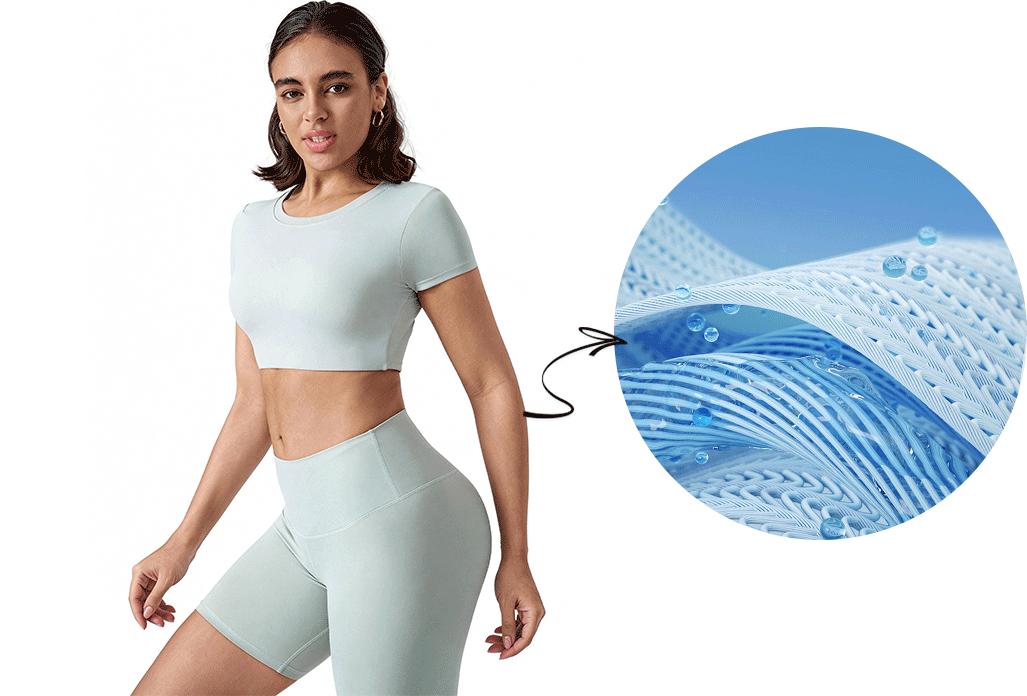
01MOISTURE WICKINGThe moisture-wicking fabric is made of special yarns with a large surface area and micro-pore design to quickly absorb and drain sweat, keeping skin dry.
-
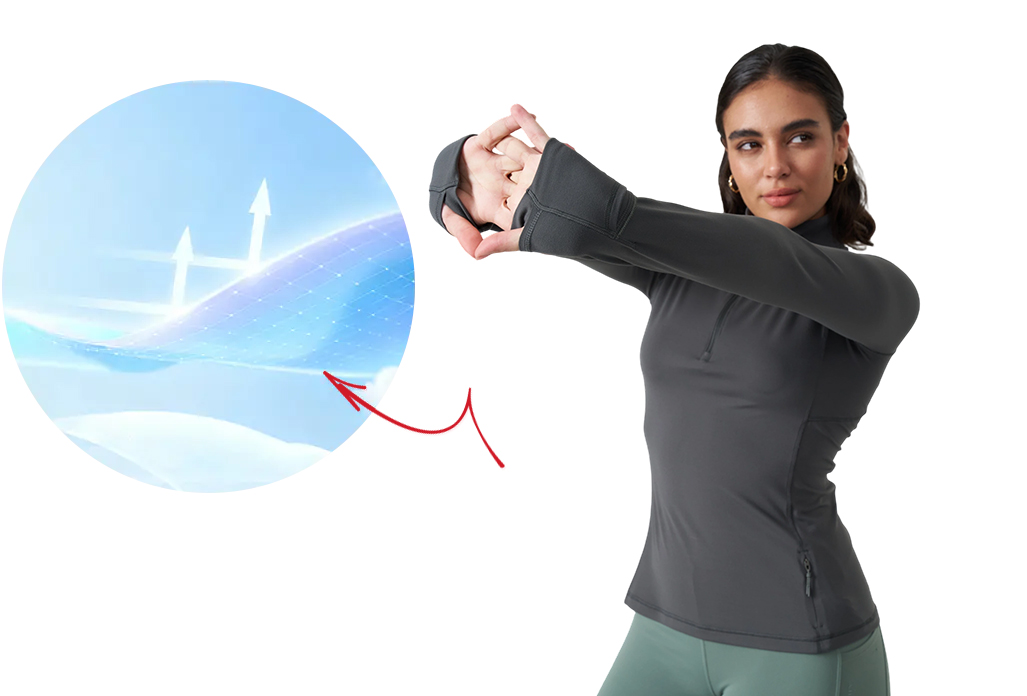
02UV RESISTANTWith UV protection, we not only help maintain the quality and appearance of fabrics, but also protect the wearer's clothing from harsh rays and protect the skin.
-
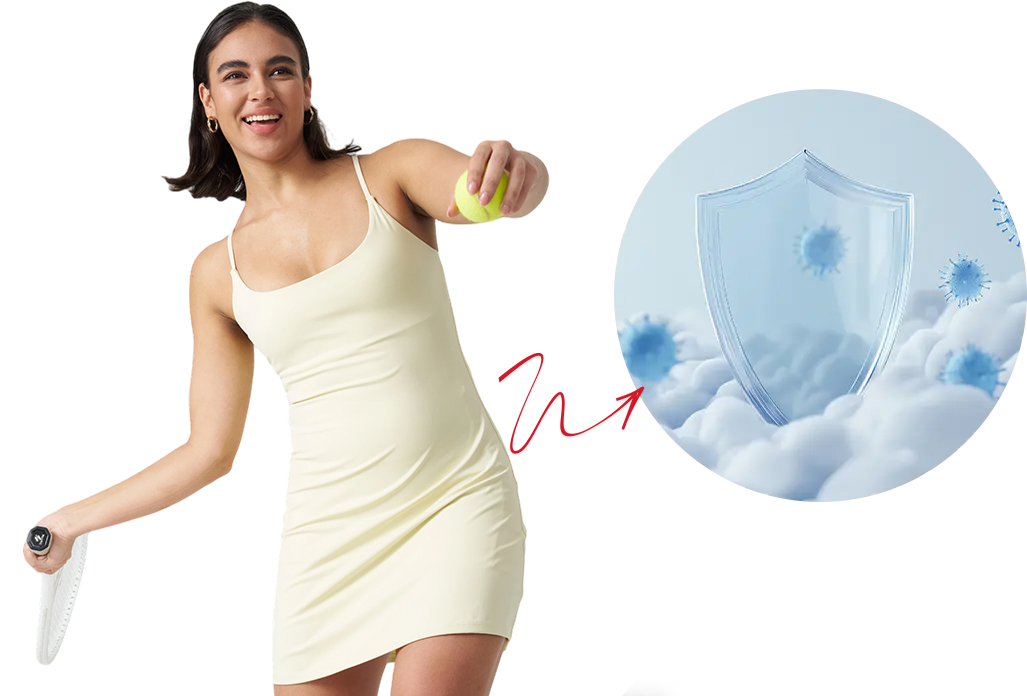
03ANTIBACTERIALIt can effectively prevent bacteria, mold, and other microorganisms from multiplying on the surface of clothing, thereby reducing the occurrence of odor, pollution, and health problems.
CHASLIN GARMENT
SINCE 1995
SINCE 1995
-
30Industry
Experience -
35000Factory
Area -
3000000Annual
Output
Zhejiang Chaslin Garment Co., Ltd. is a joint venture between industry and trade, as a
yoga wear manufacturer and active wear supplier, we specialize in the production of athleisure wear
, combining advanced design concepts with superior craftsmanship. Founded in 1995, the company has 30 years of experience in garment manufacturing. The 35,000-square-meter factory is equipped with multiple hanging production lines and a digital workshop, with an annual output of 3 million pieces. The factory holds multiple international certifications—BSCI, GRS, SEDEX, and ISO14001—and exports its products to dozens of countries, including the United States, Germany, the United Kingdom, Italy, Poland, South Korea, Australia, Israel, and Russia.Chaslin
READ MORE
-
 CUSTOMIZATIONEquipped with a professional design and development team, we can develop and produce based on design drafts or samples provided by customers.
 -
 QUALITYOur products meet the international AQL 1.5 standard, and we support third-party inspections.
 -
 COSTWe utilize automated cutting machines to optimize material layout and save costs for customers, backed by a professional management team.
 -
 PRODUCTIONWe master the latest technologies in the manufacture of a variety of sportswear and can meet diverse development and production needs.
FEATURED PRODUCTS
Professional Manufacturing
-
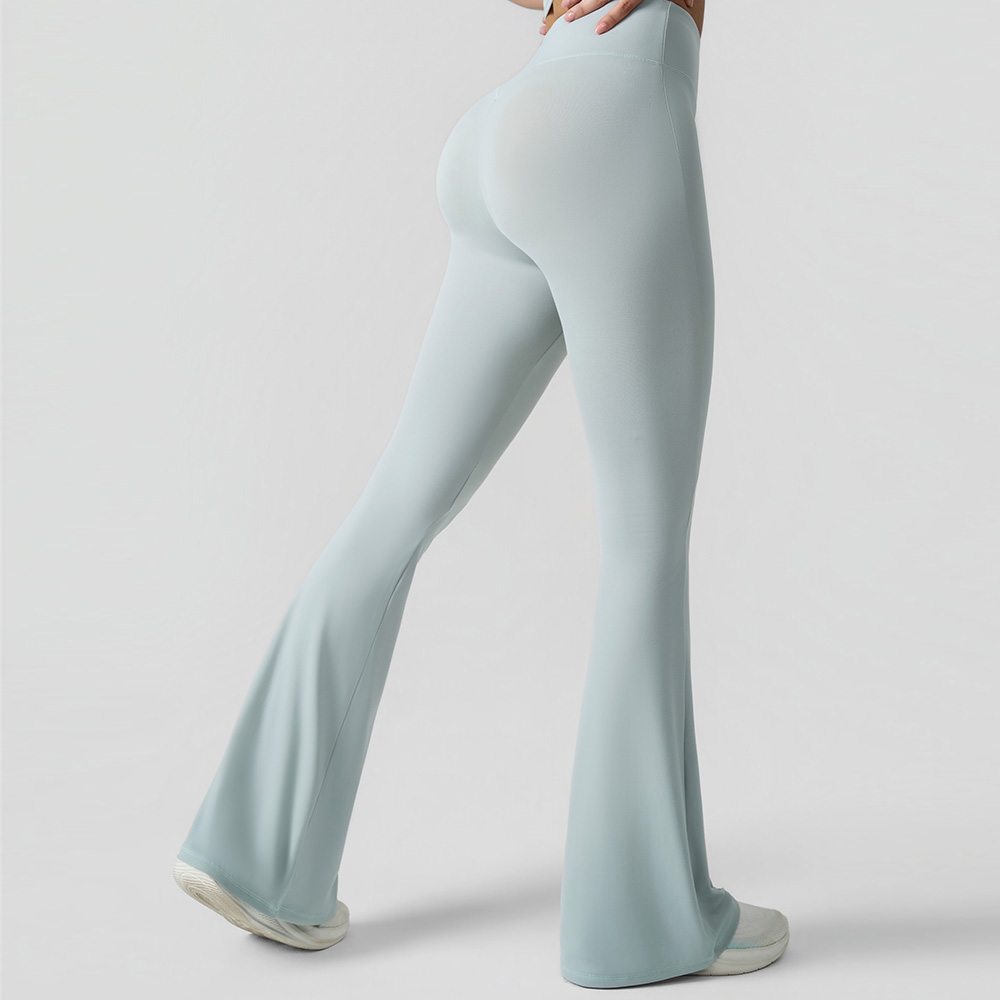
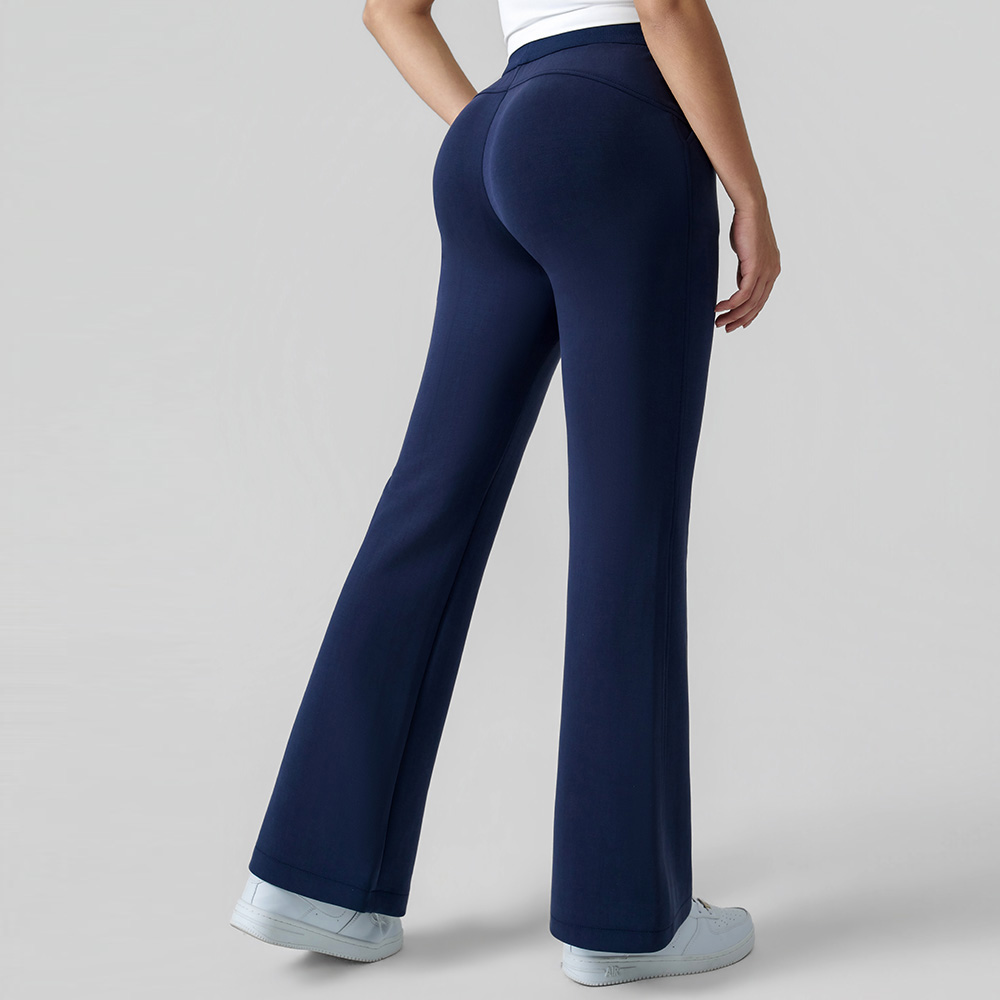
High Waist Flared Yoga Pants
-
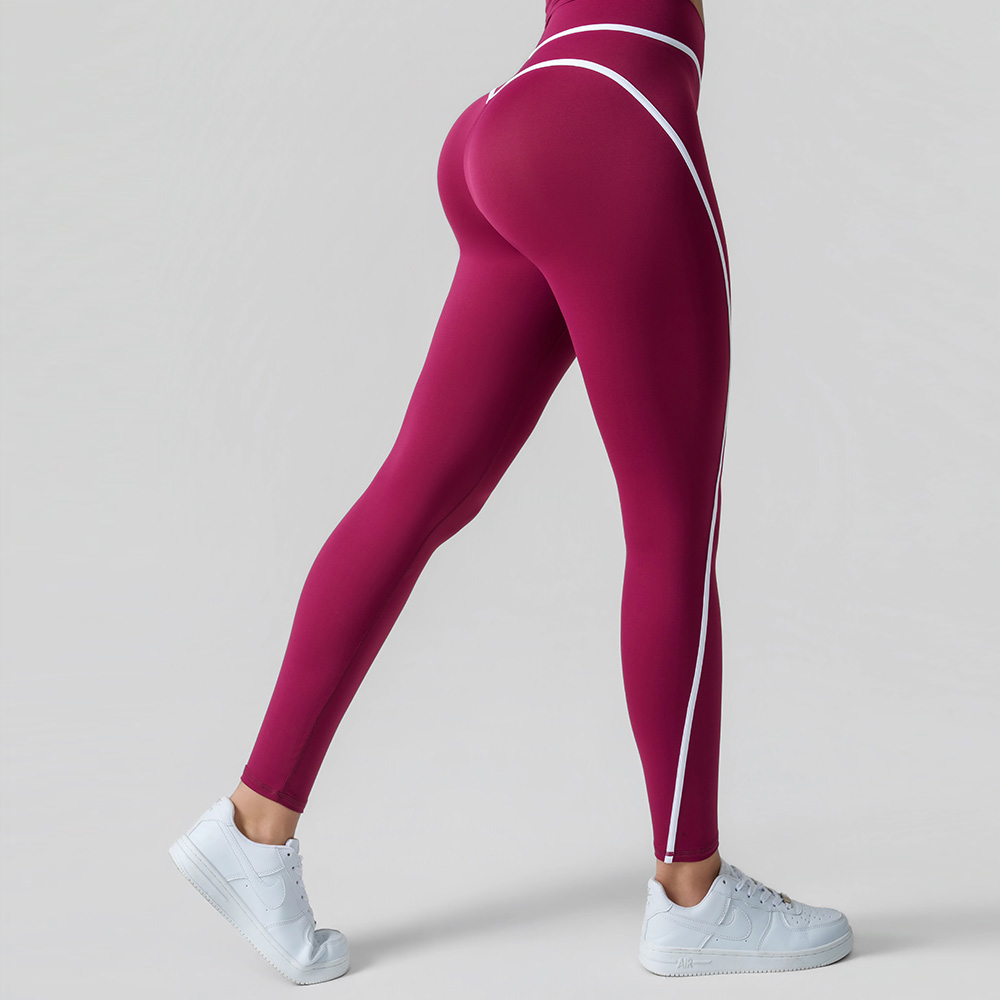
Color-Block Yoga Pants
-
High-Waisted Ruched-Waist Yoga Pants
-
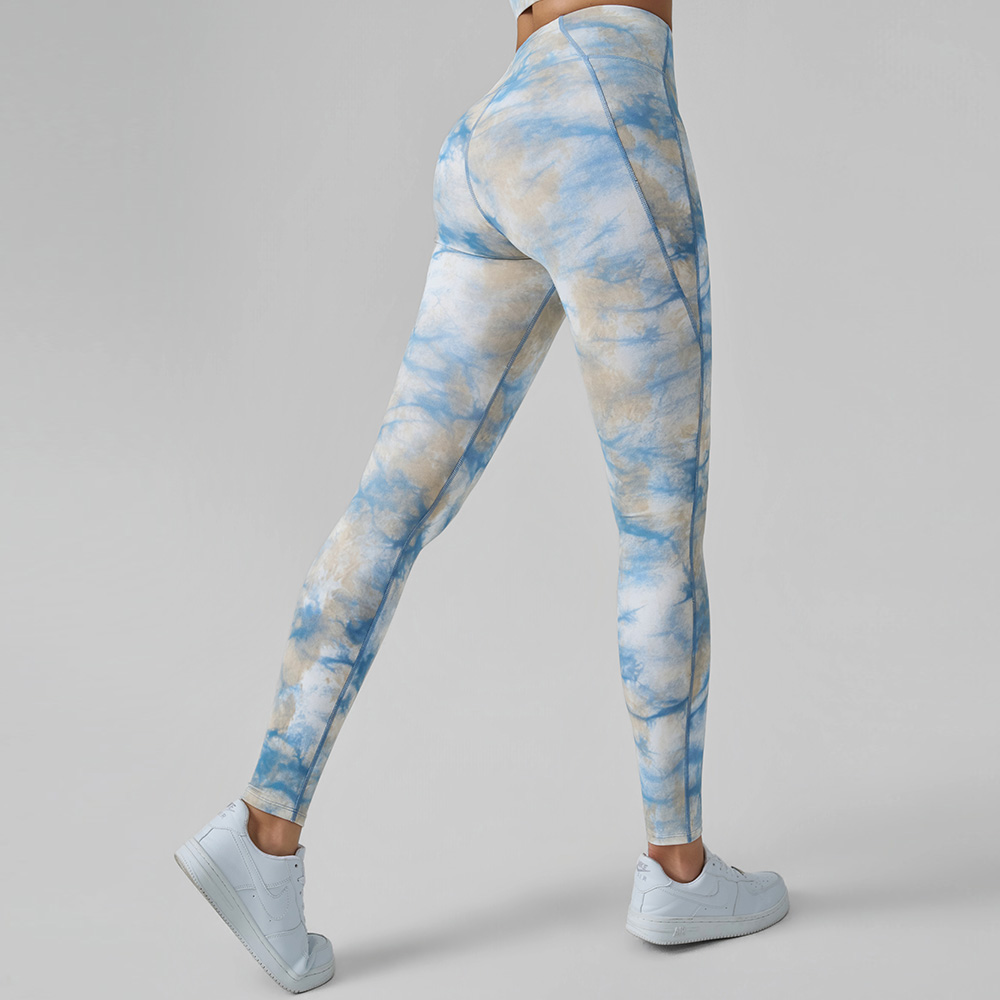
Printed Yoga Pants with Pockets
-
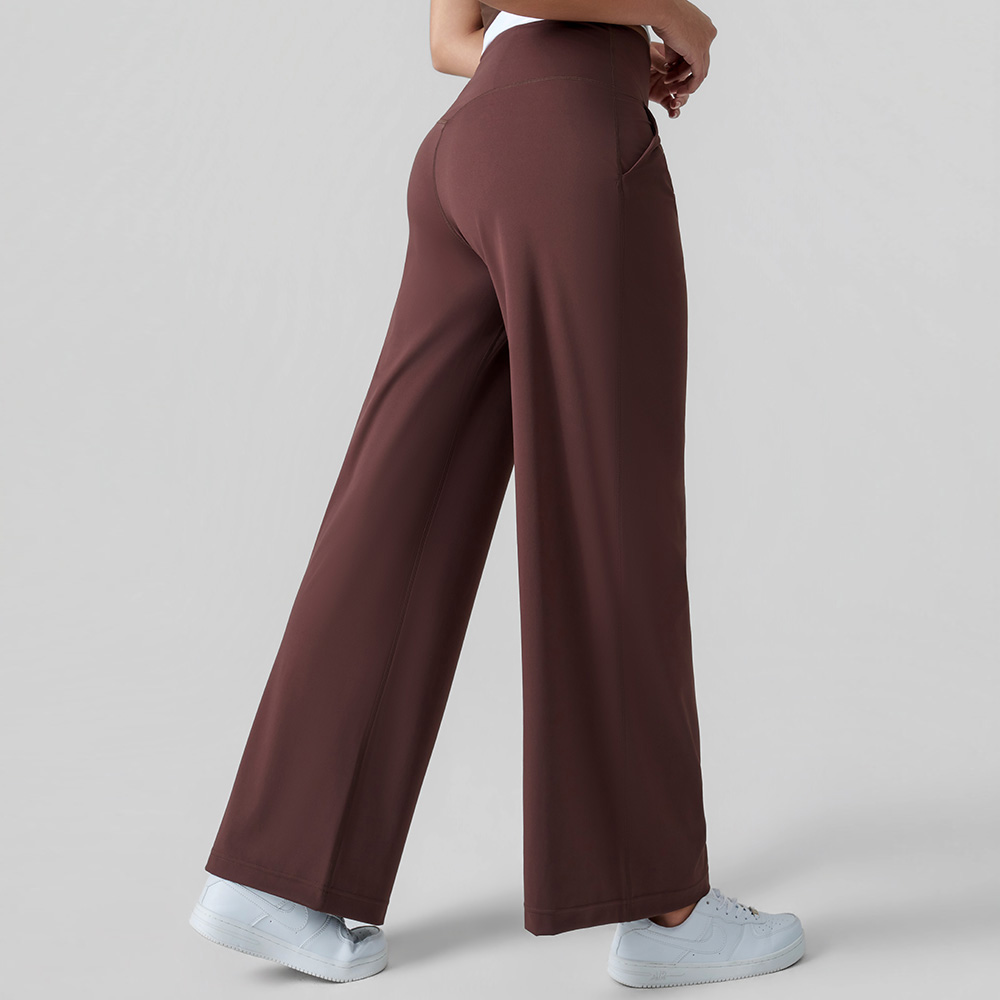
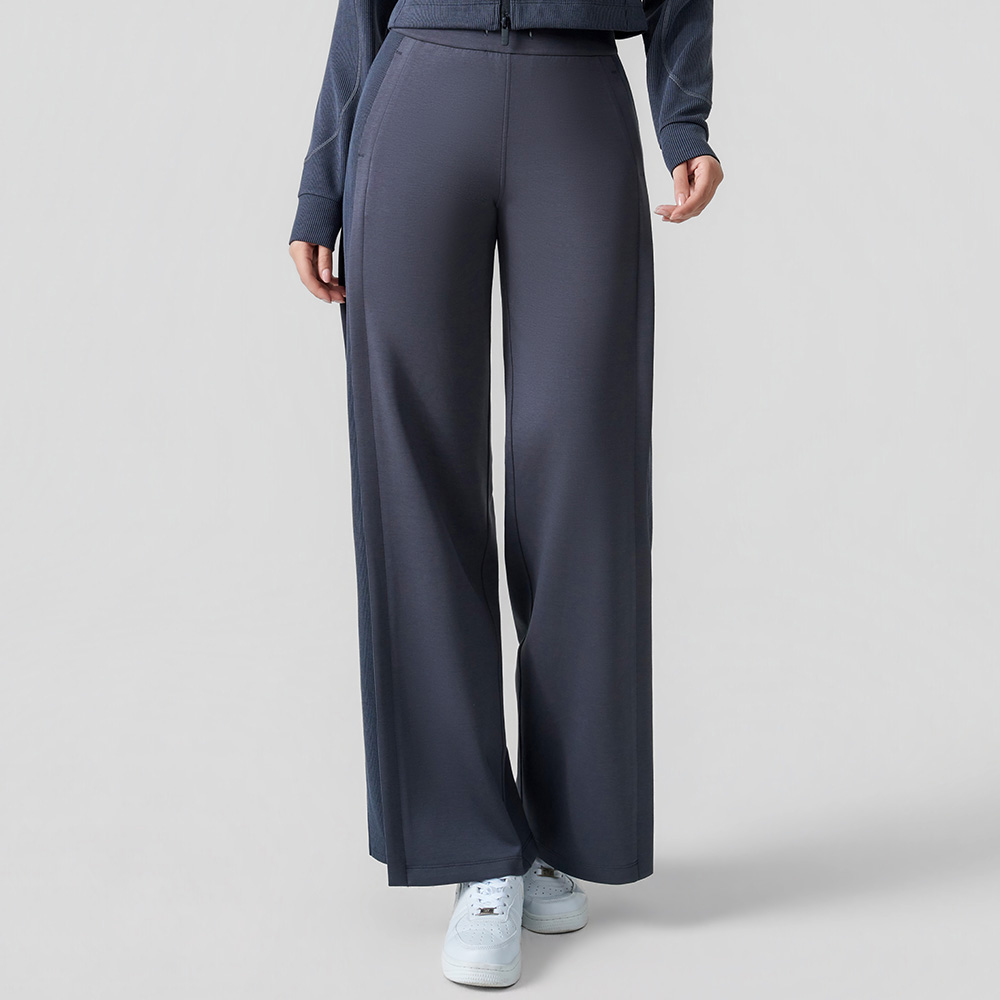
High-Waisted Relaxed Wide-Leg Yoga Pants
-
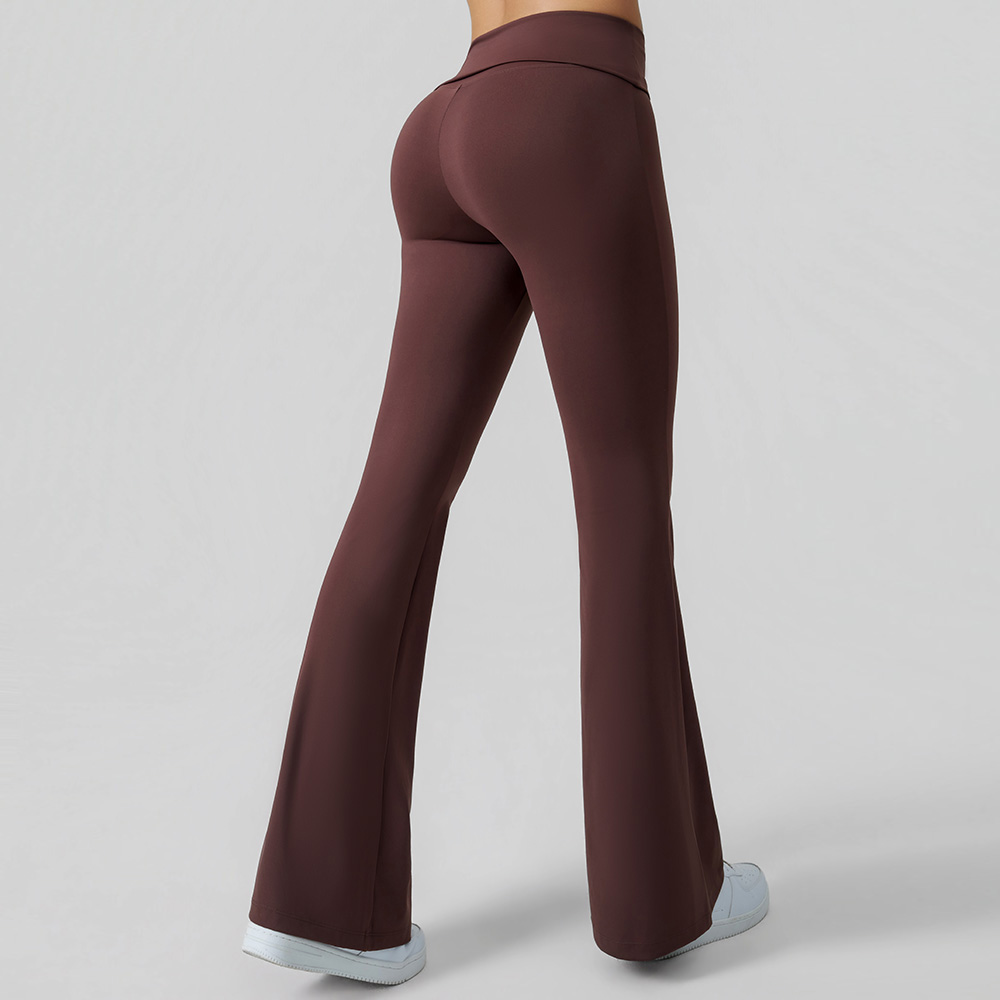
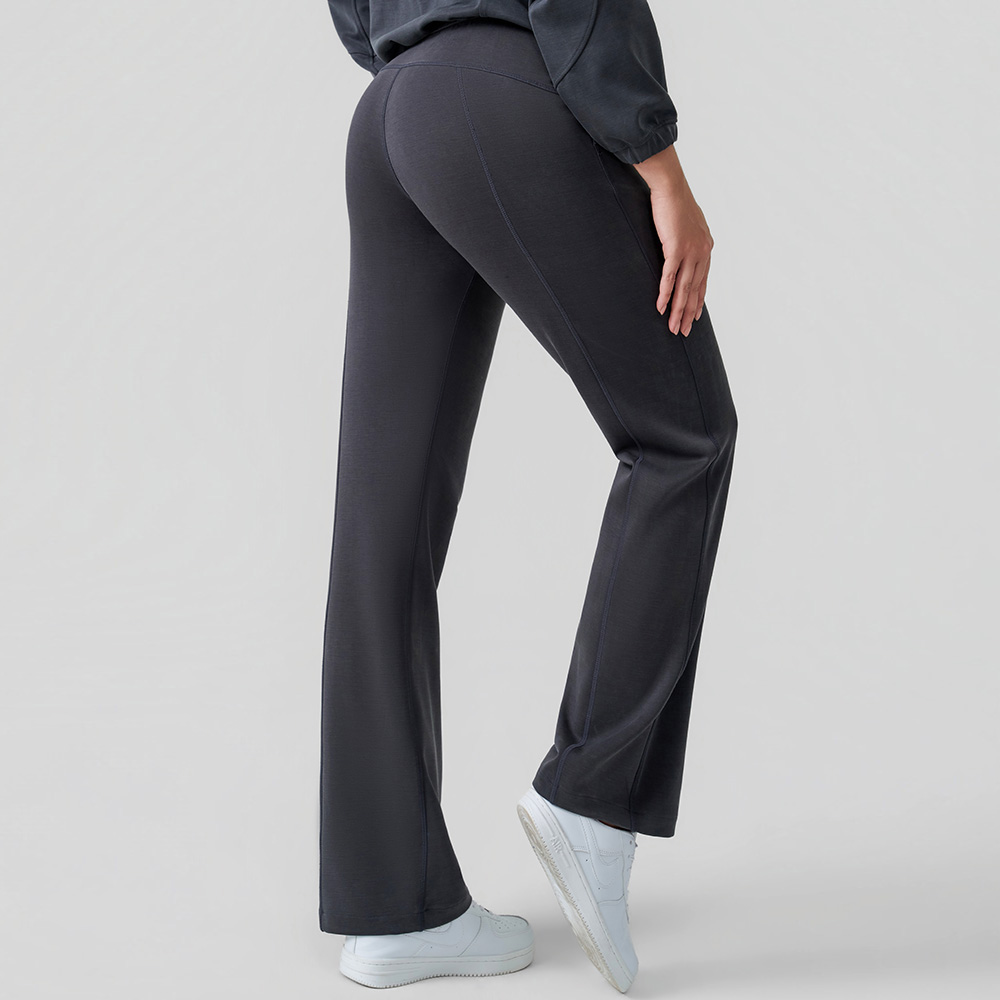
High-Waisted Fold-Over Flare Pants
-
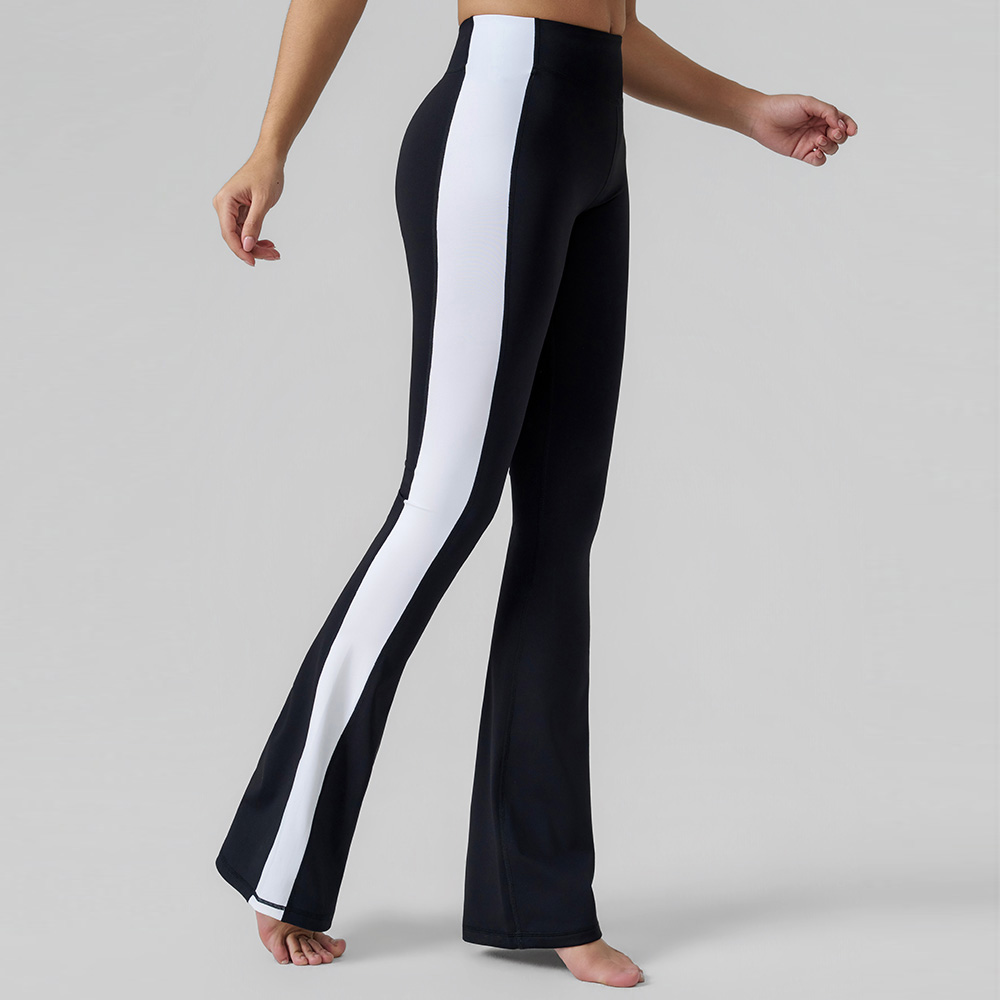
Color-Block Slim Flare Yoga Pants
-
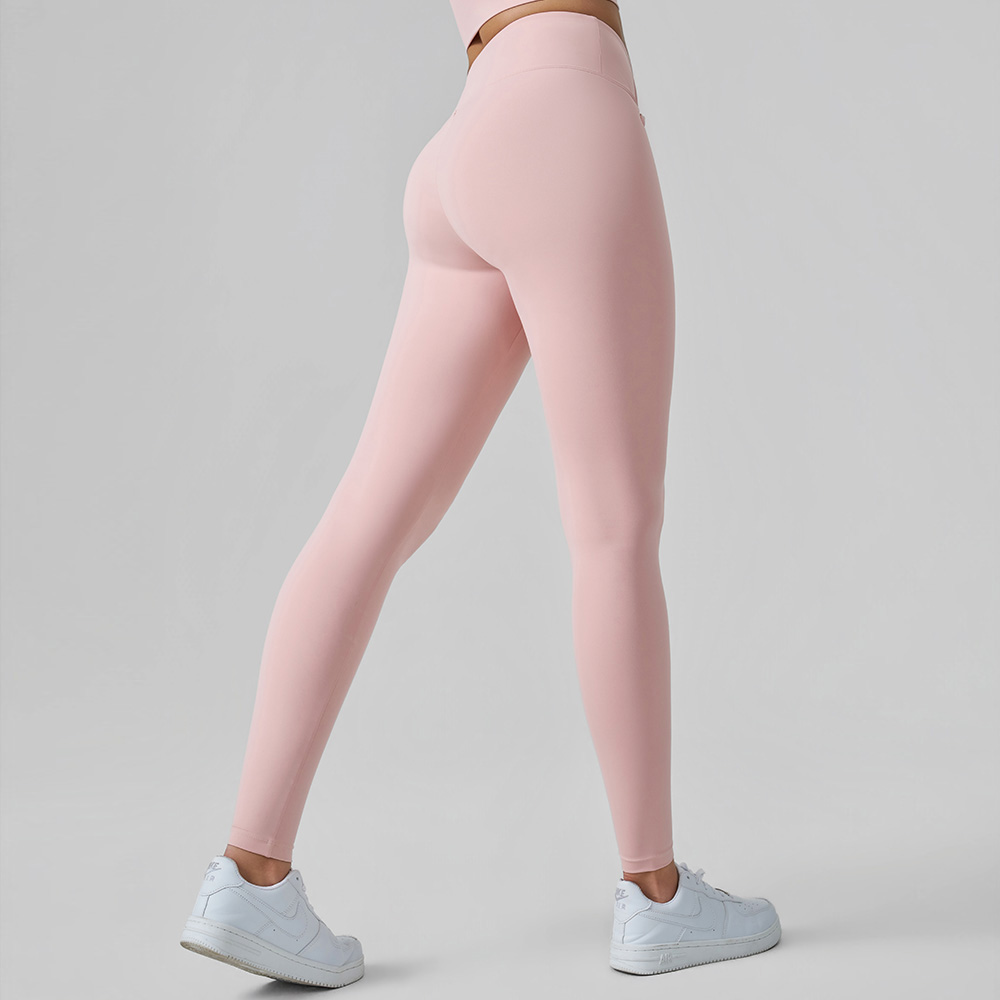
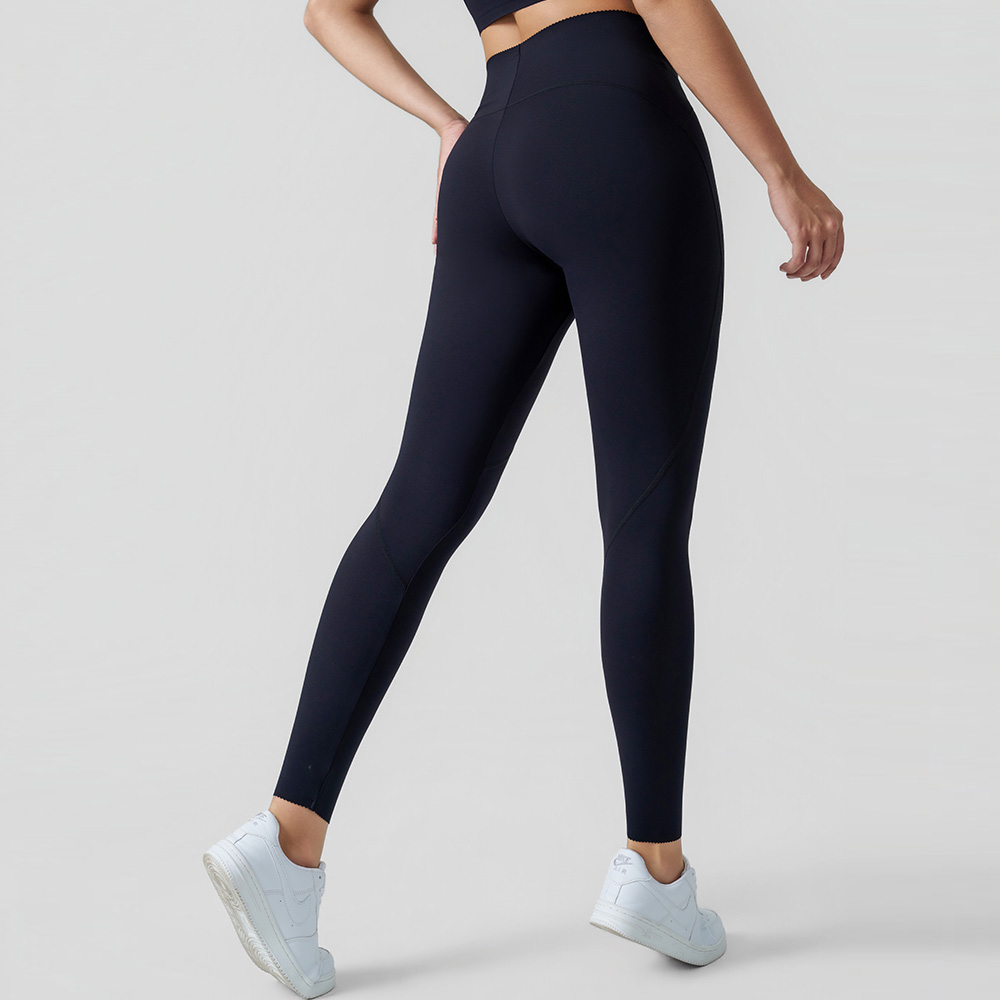
Snug-Waist Yoga Pants
-
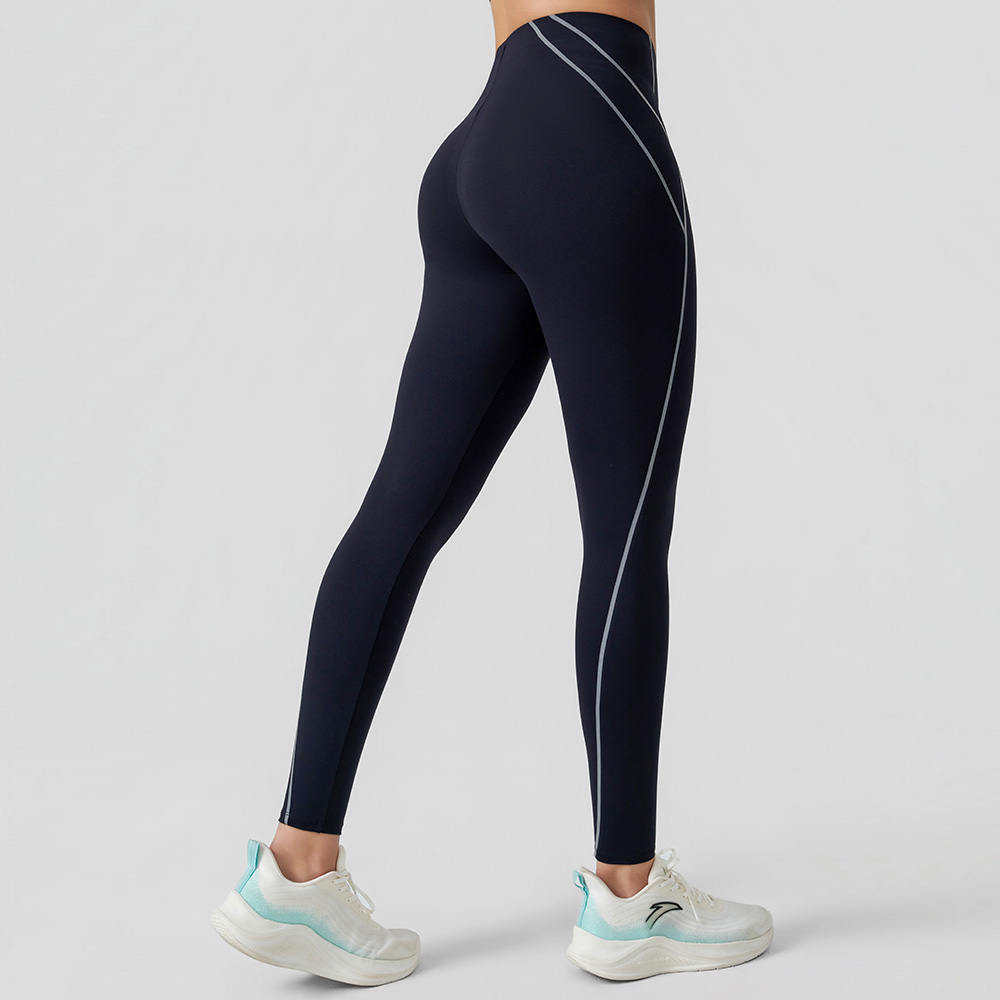
High-Waisted Reflective Strip Yoga Pants
-
High-Waisted Drawstring Slim Flare Yoga Pants
-
Ribbed Wide-Leg Pants
-
Air Layer Straight-Leg Casual Pants
1

- CONTACT INFO
-
-
+86 15057975828
+86-0579-86686188 -
[email protected]
[email protected] - No.9 Yongjin Road, West Industry Area, Dongyang City, Zhejiang, China
-
+86 15057975828